
Art & Design + Ceramics Integrated Course
Course Introduction
At Q-Learning Studio, we hope children learn more than just "how to draw a picture." We want them to gradually build their own observational skills, aesthetic appreciation, creativity, and artistic expression.
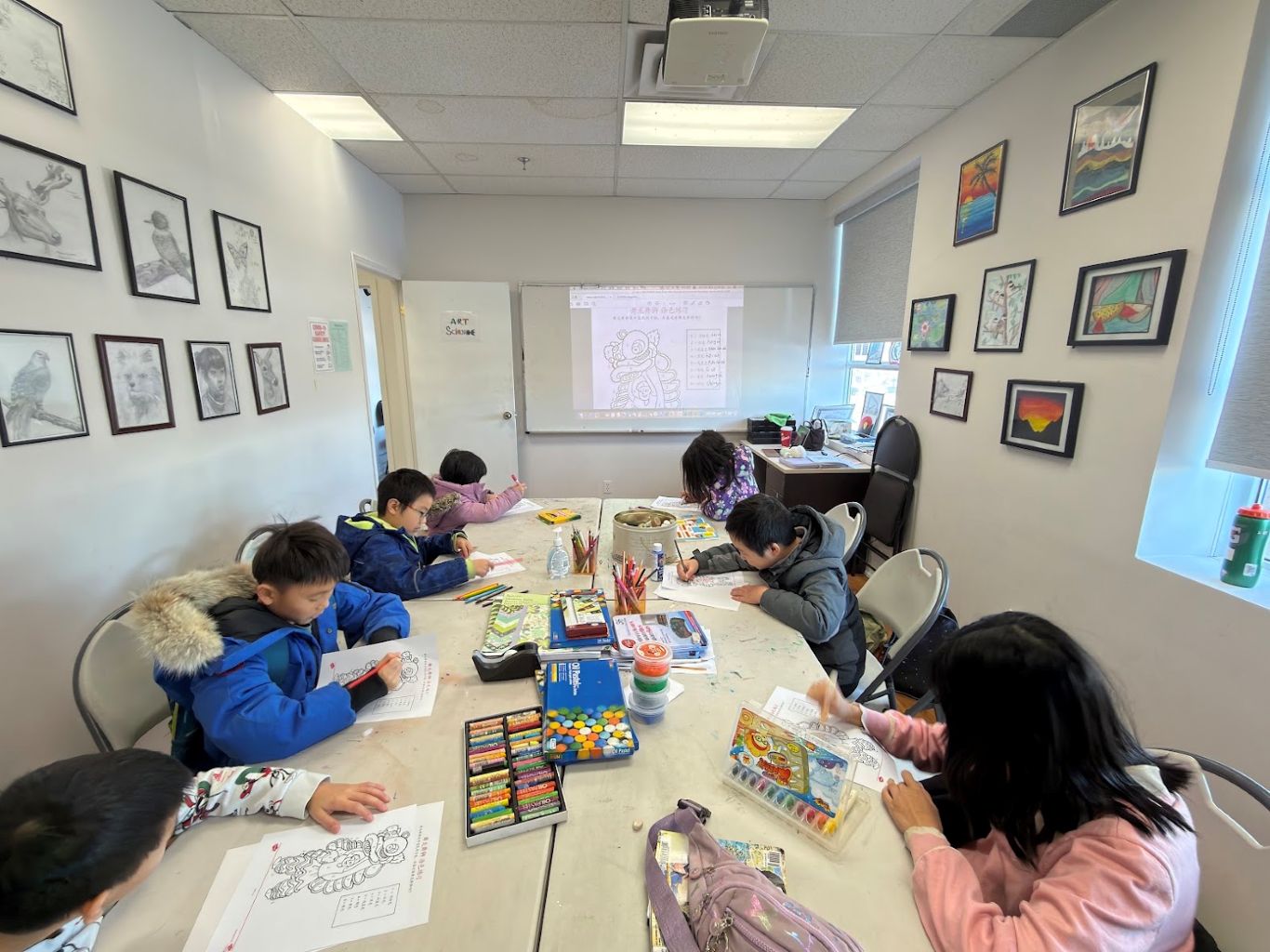
Our art curriculum integrates foundational drawing, color theory, creative design, 3D art, and ceramics into a full academic year of learning. Children will explore various artistic mediums and creative methods, starting from observation and copying, and gradually learning how to turn their ideas into truly original artworks.
The course is suitable for students aged 6–12. Project difficulty will be adjusted based on the child's age, foundational skills, and level of artistic development. Beginners with zero experience are warmly welcome to join.
What Will Children Learn in an Academic Year?
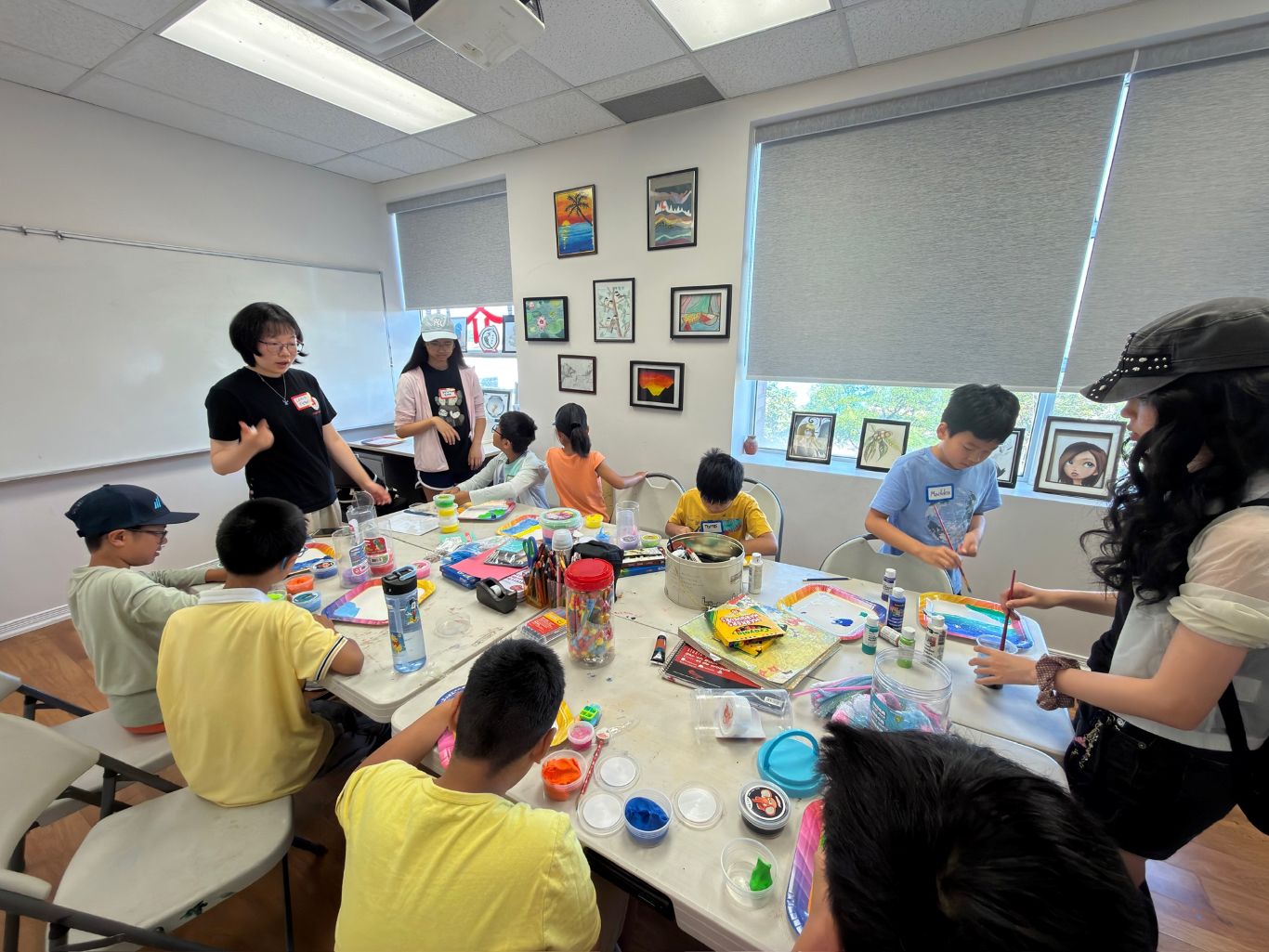
The course does not simply repeat a weekly routine of "the teacher demonstrates, and the student copies." Instead, it is a progressive learning journey centered around various art themes and skills. Over the academic year, children will explore:
- Drawing | Foundational Skills
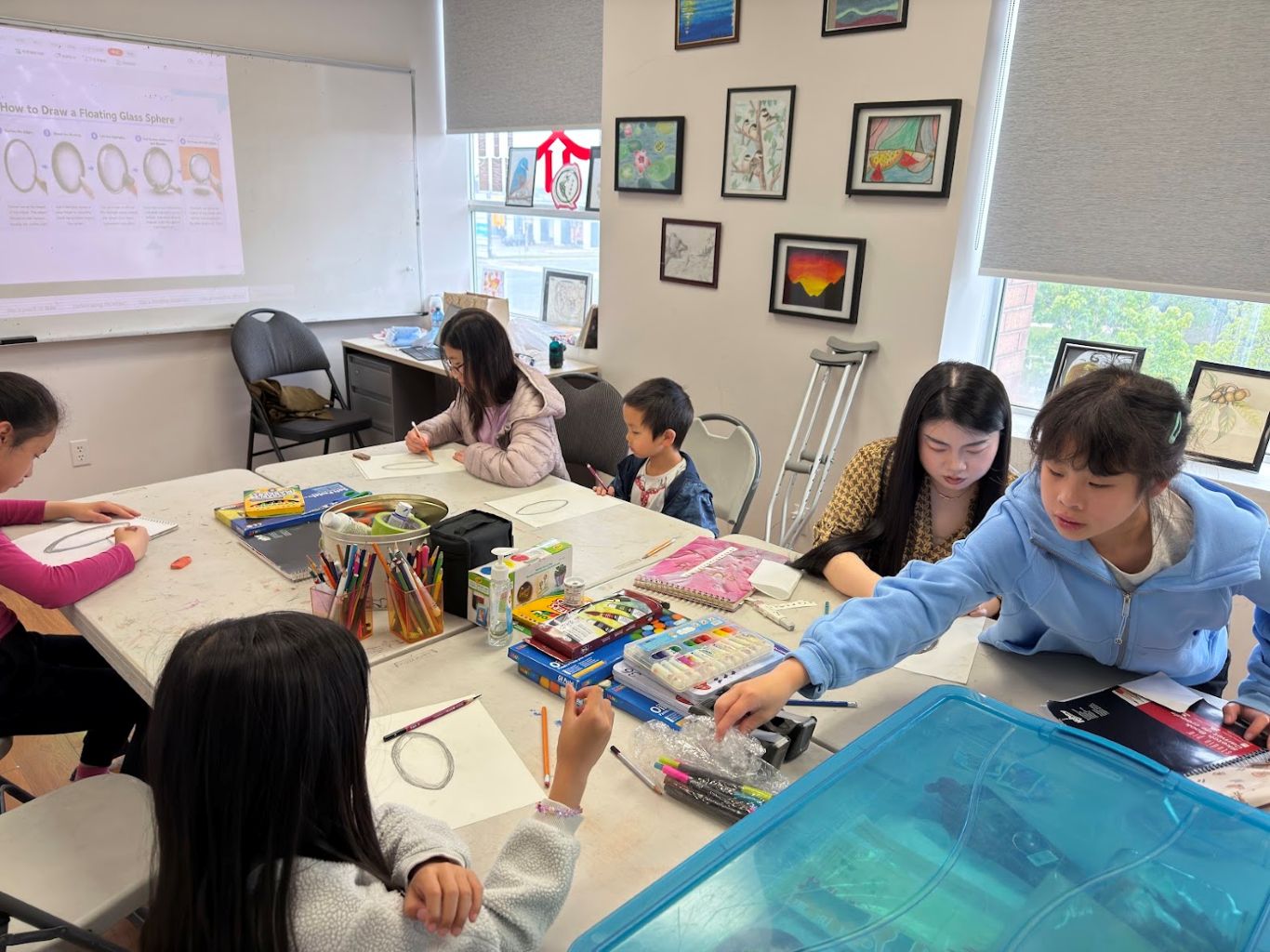
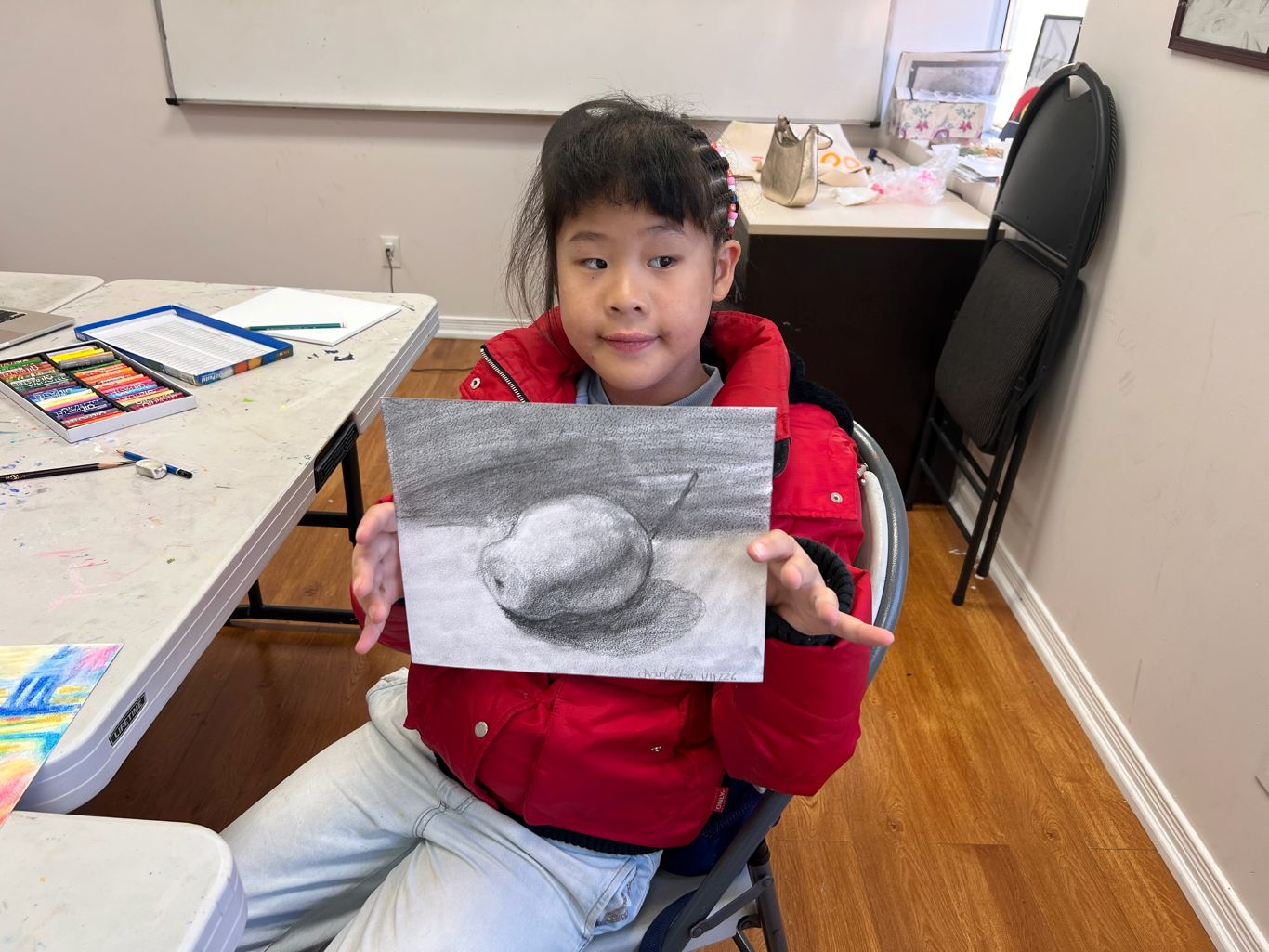
Learning lines, shapes, proportions, composition, light and shadow, space, and perspective. Through diverse themes such as still life, plants, architecture, animals, and portraits, students will improve their observation and form-building skills. - Painting & Colour | Techniques and Applications
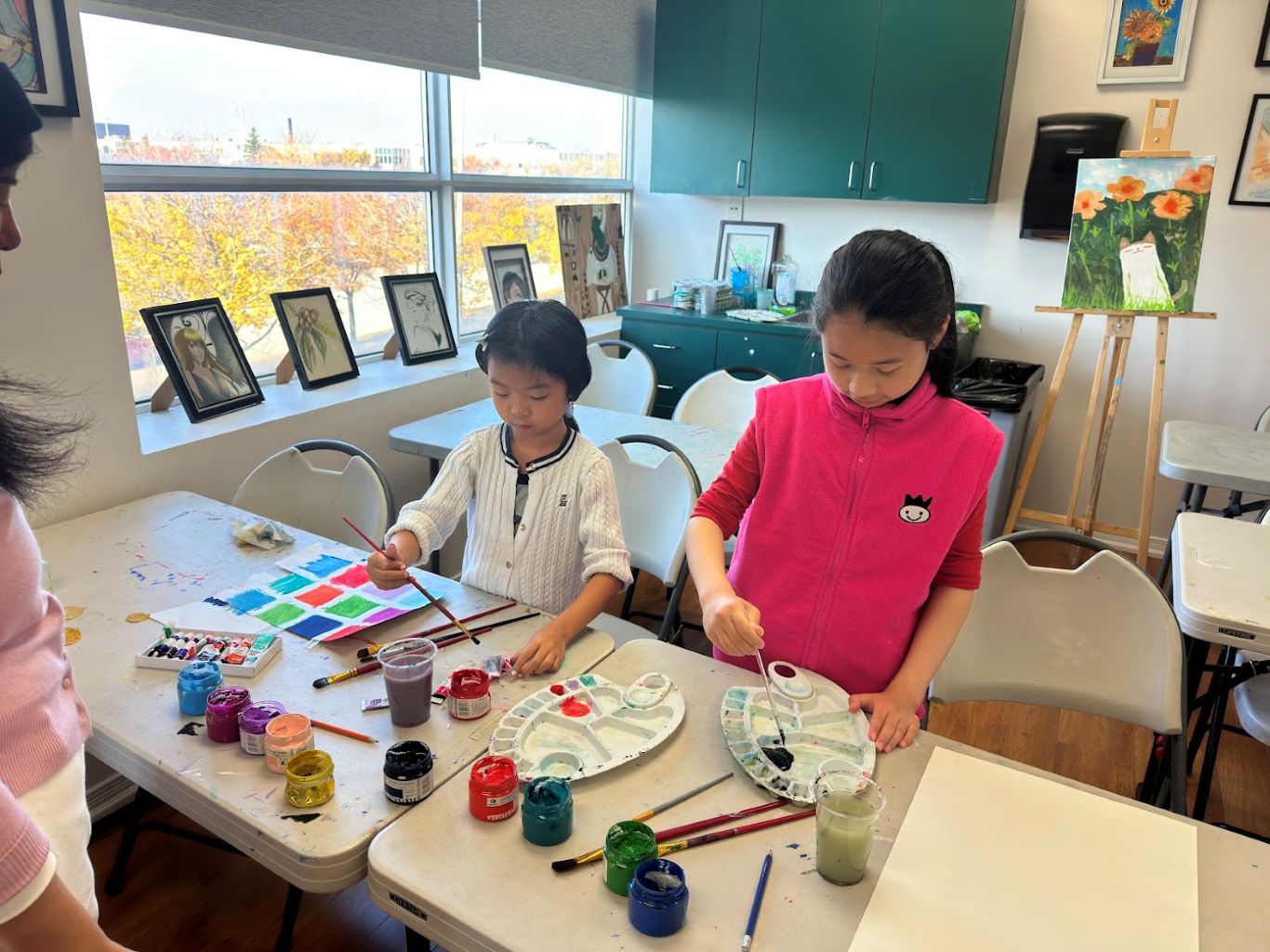
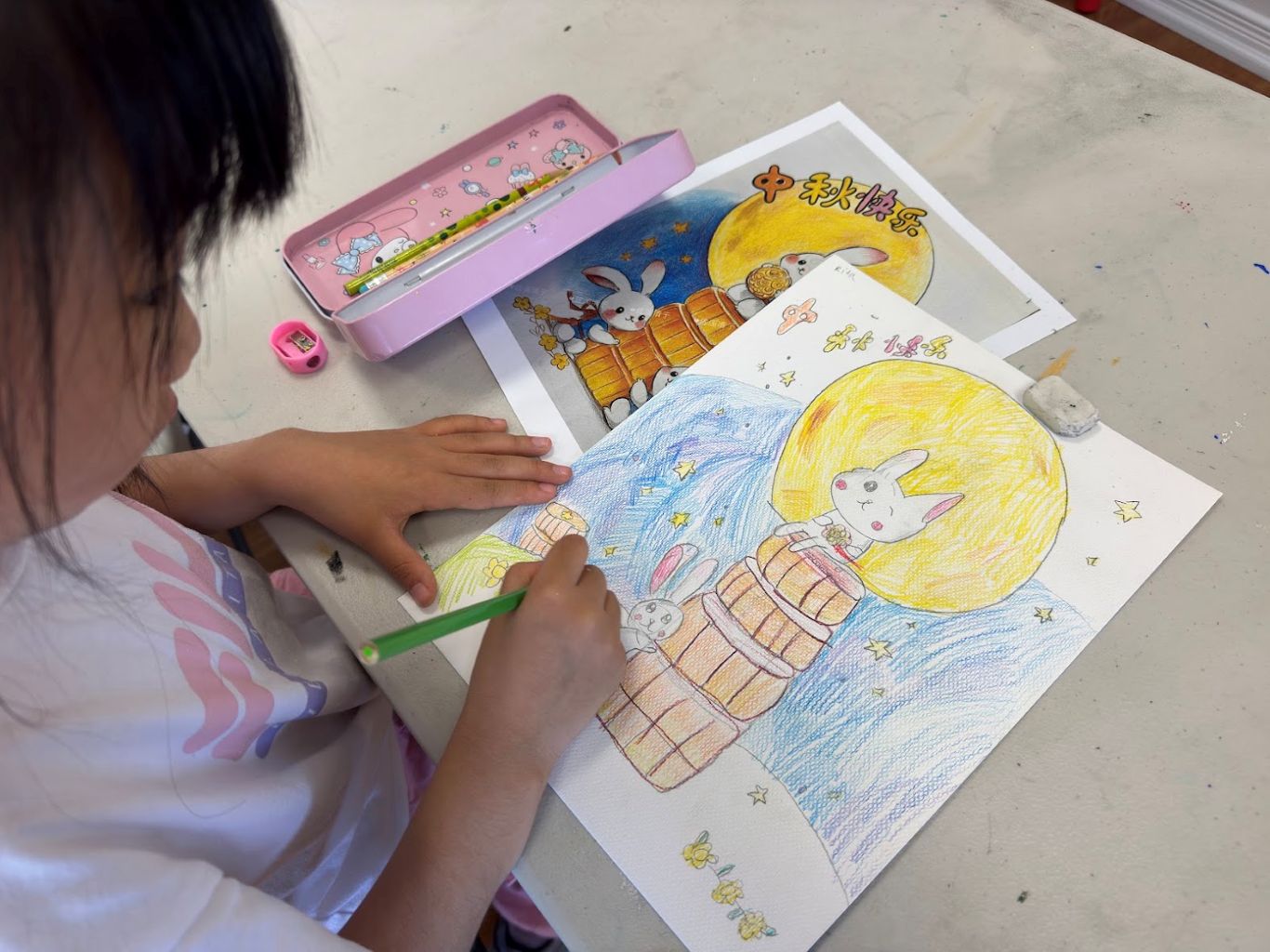
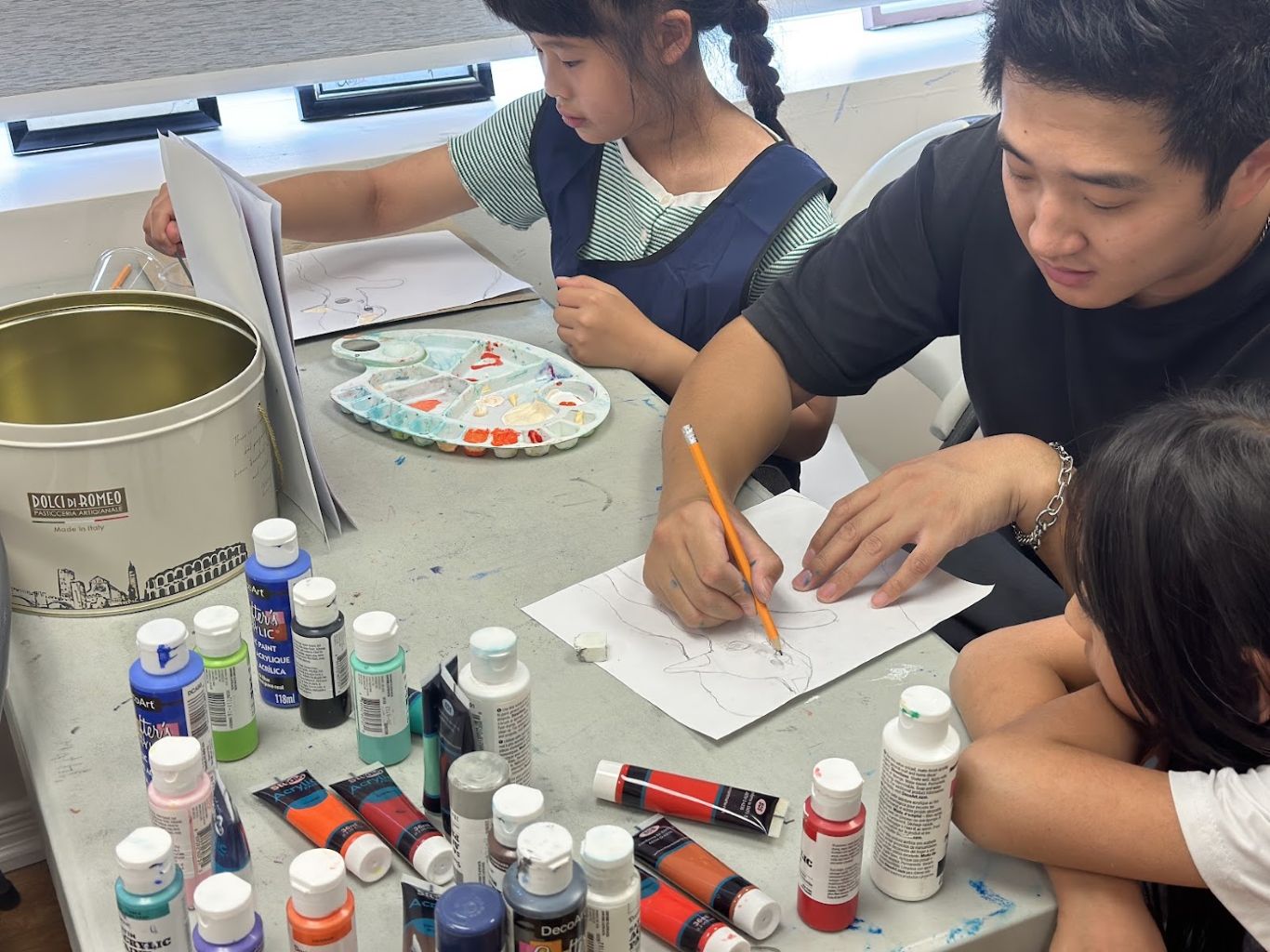
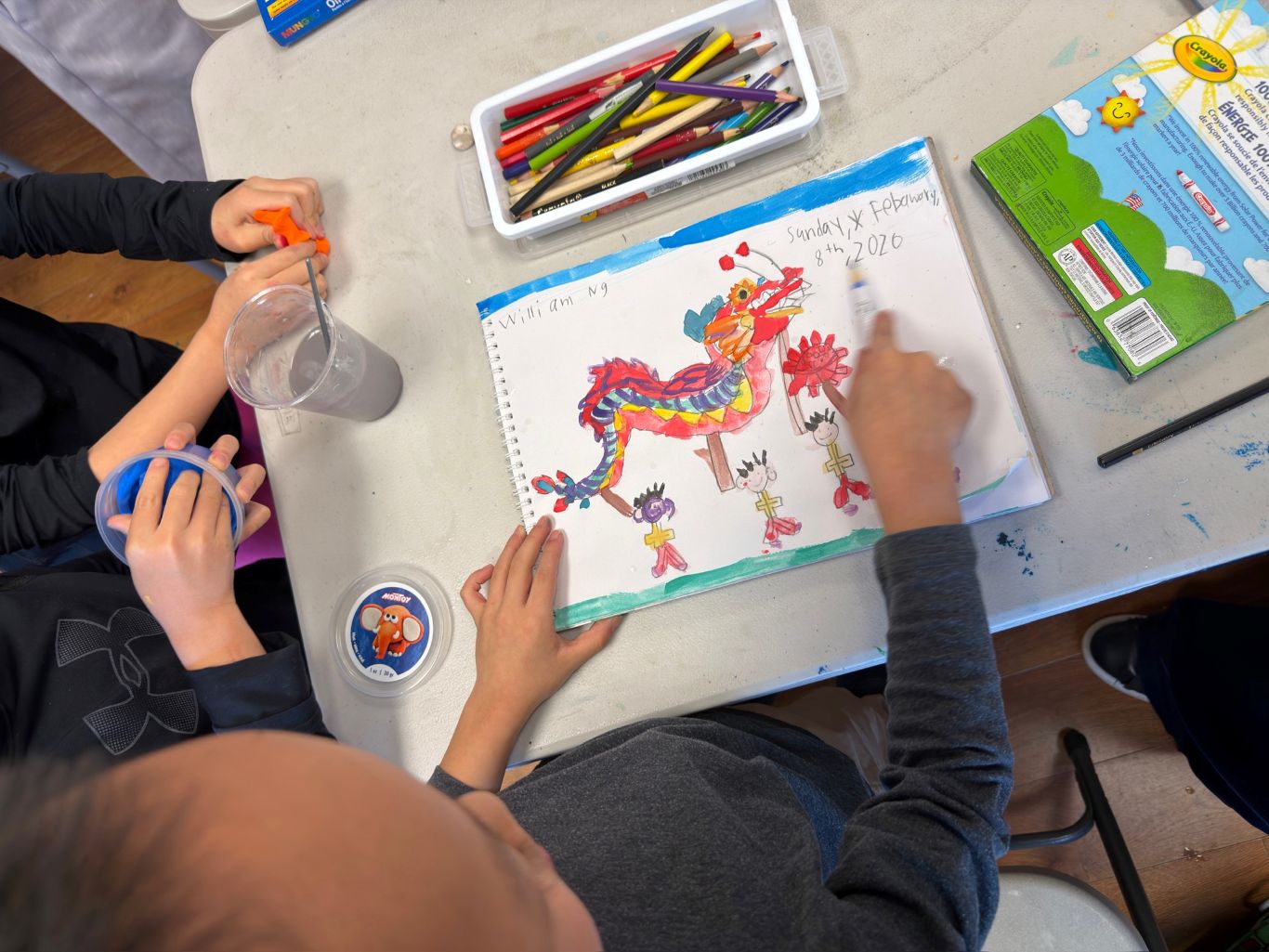
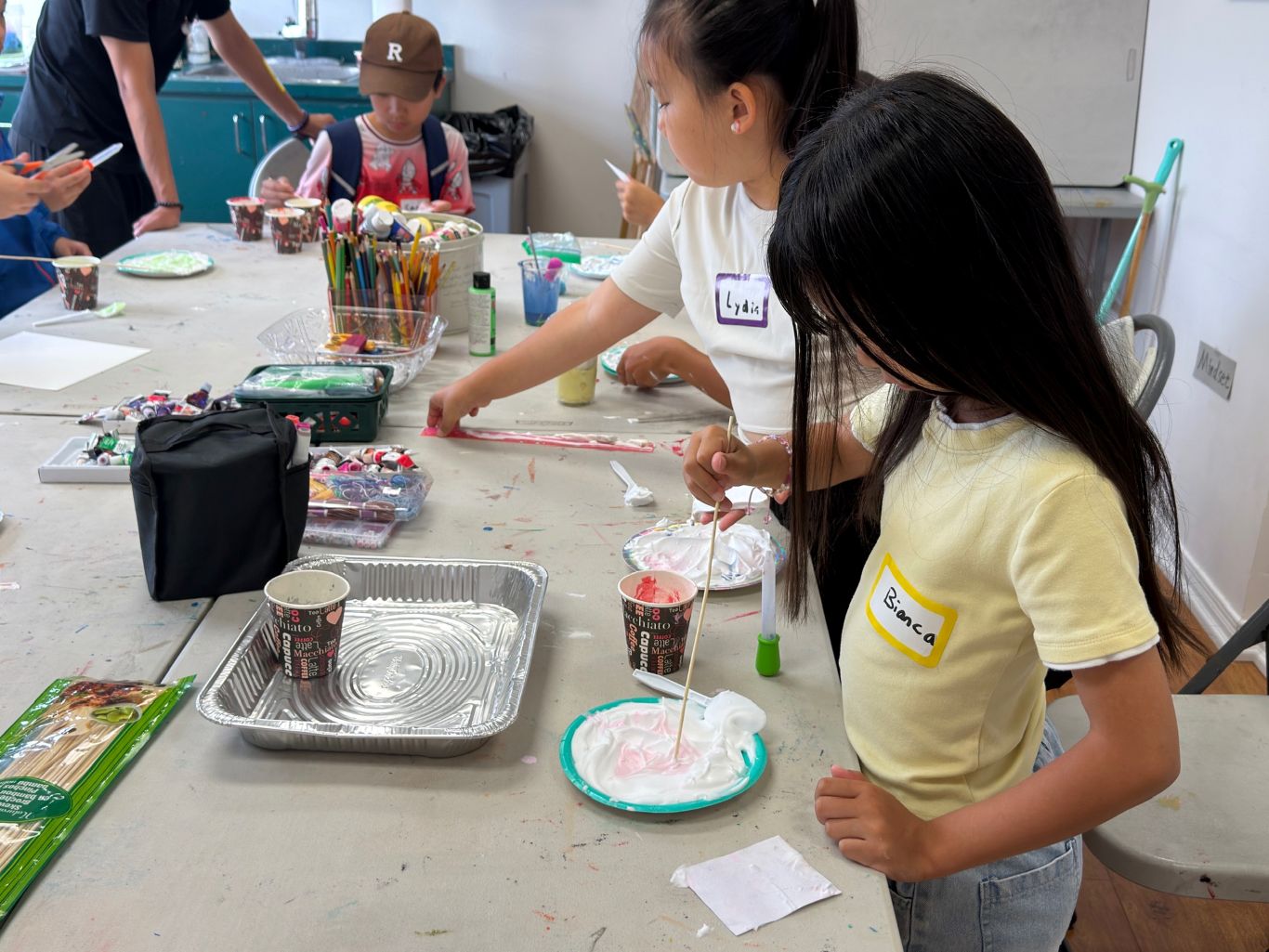
Exploring different mediums like watercolors, acrylics, colored pencils, and pastels. Students will learn about color matching, warm and cool relationships, layering, brushstrokes, and various painting expressions. - Creative Design
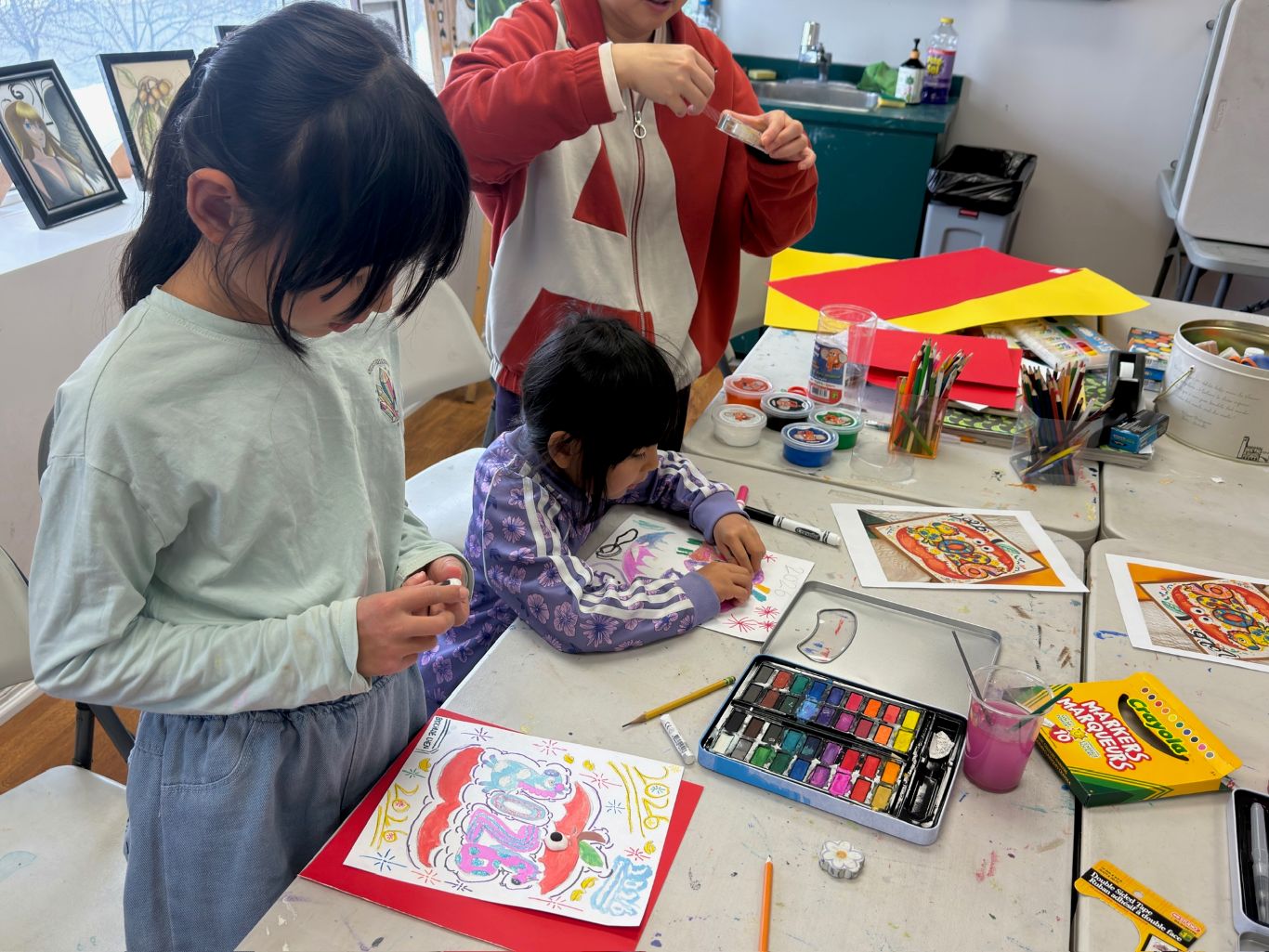
Moving beyond merely "drawing realistically" towards "how to design." Children will experiment with illustration, poster design, pattern design, character design, and thematic creation, learning to visually express their own ideas. - Mixed Media Art
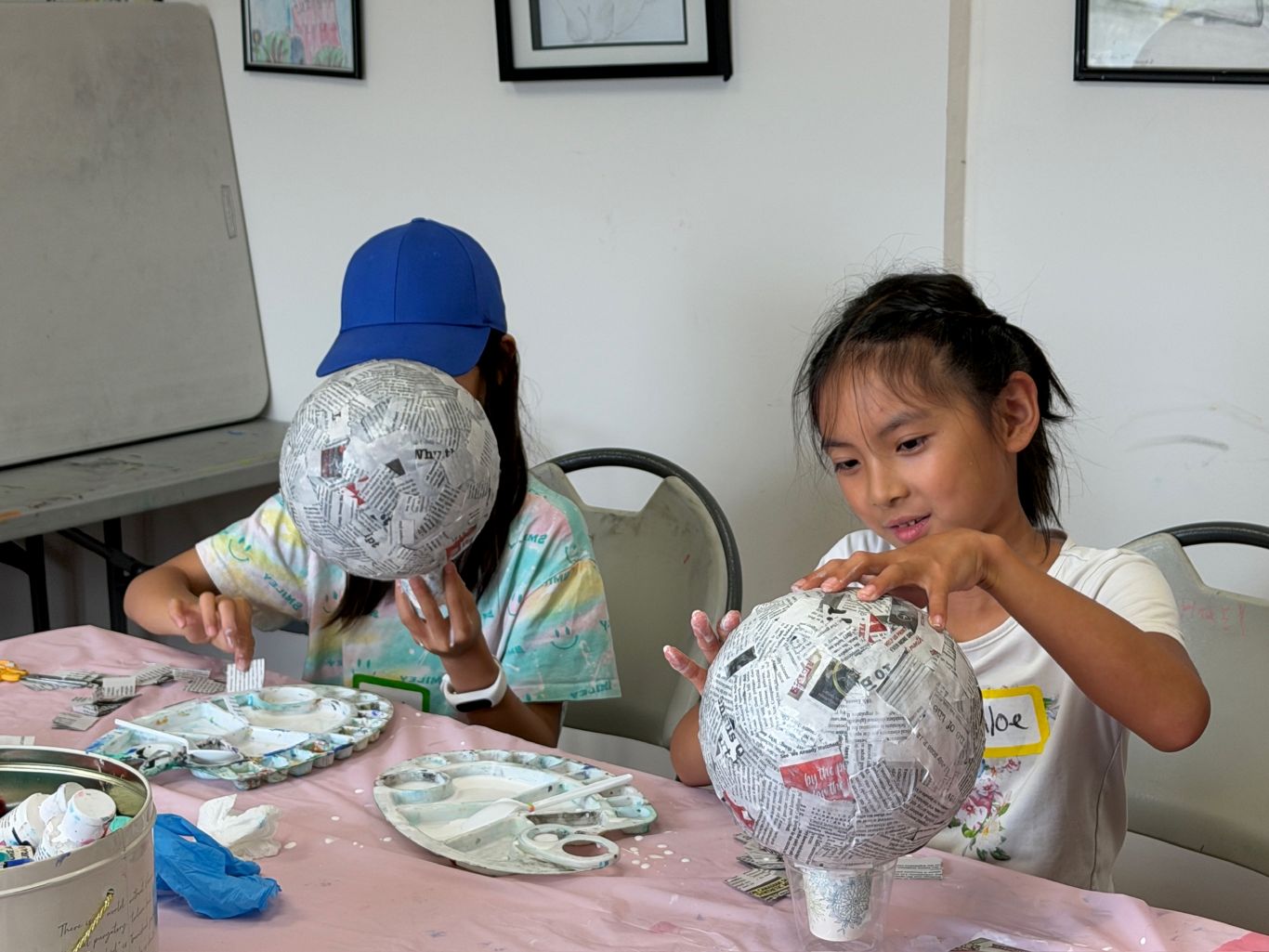
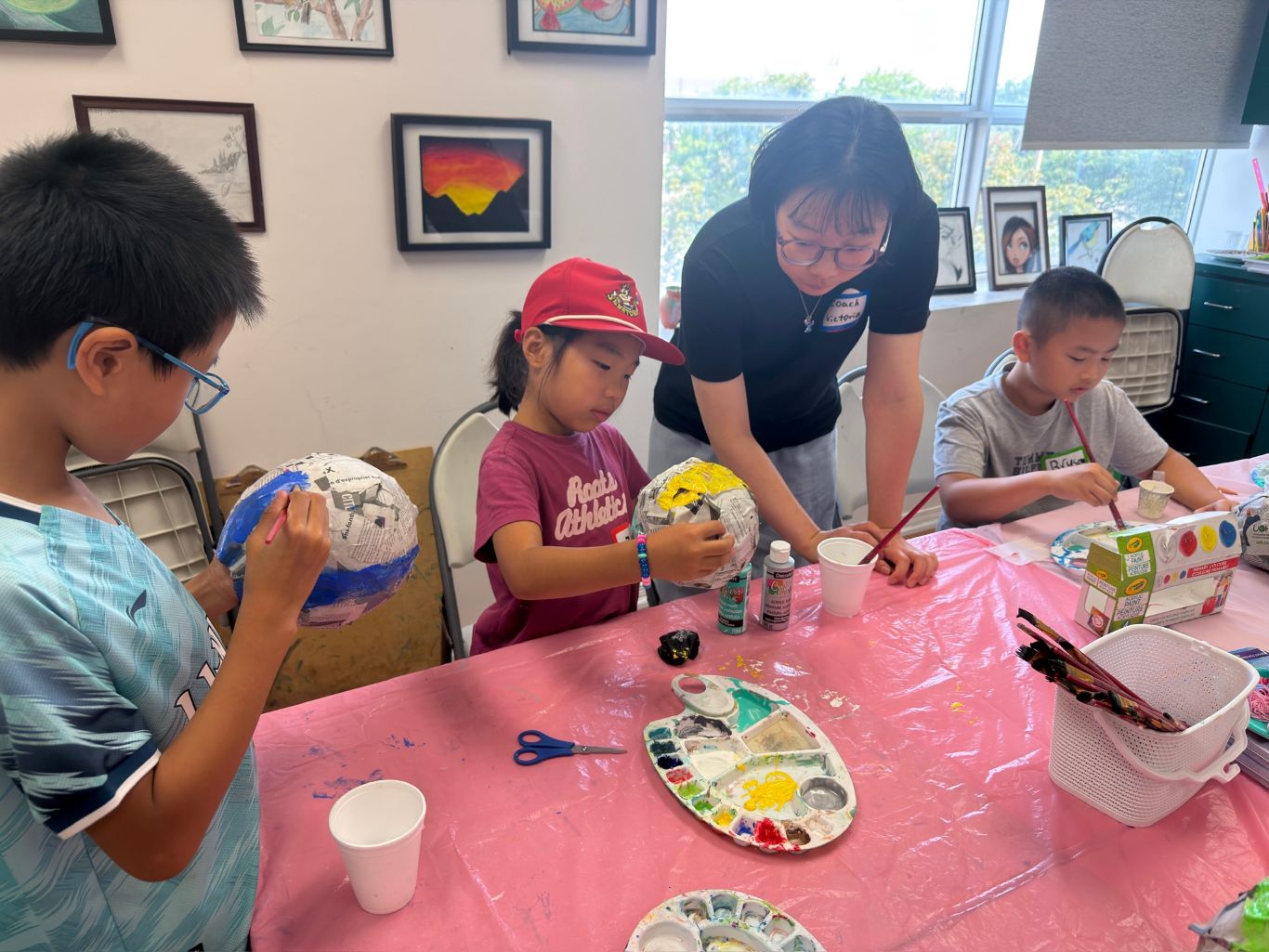
Combining drawing, collage, paper art, textures, natural materials, and 3D materials to create artwork. This allows children to discover that art is much more than just paper and brushes. - 3D Art & Sculpture
Transitioning from 2D planes to 3D spaces, students will understand form, structure, proportion, texture, and spatial relationships, cultivating their spatial imagination and hands-on abilities. - Clay Art | Ceramics
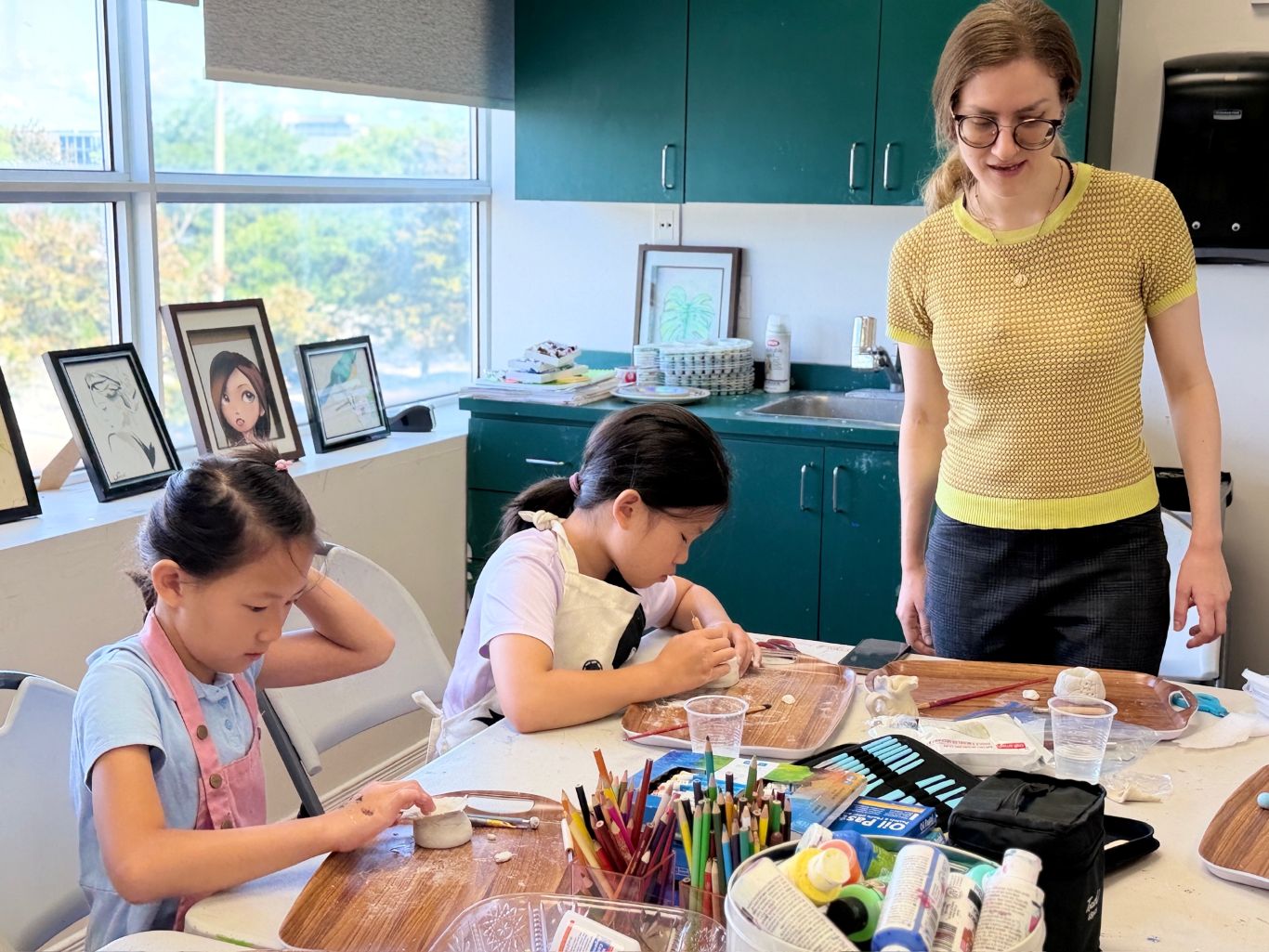
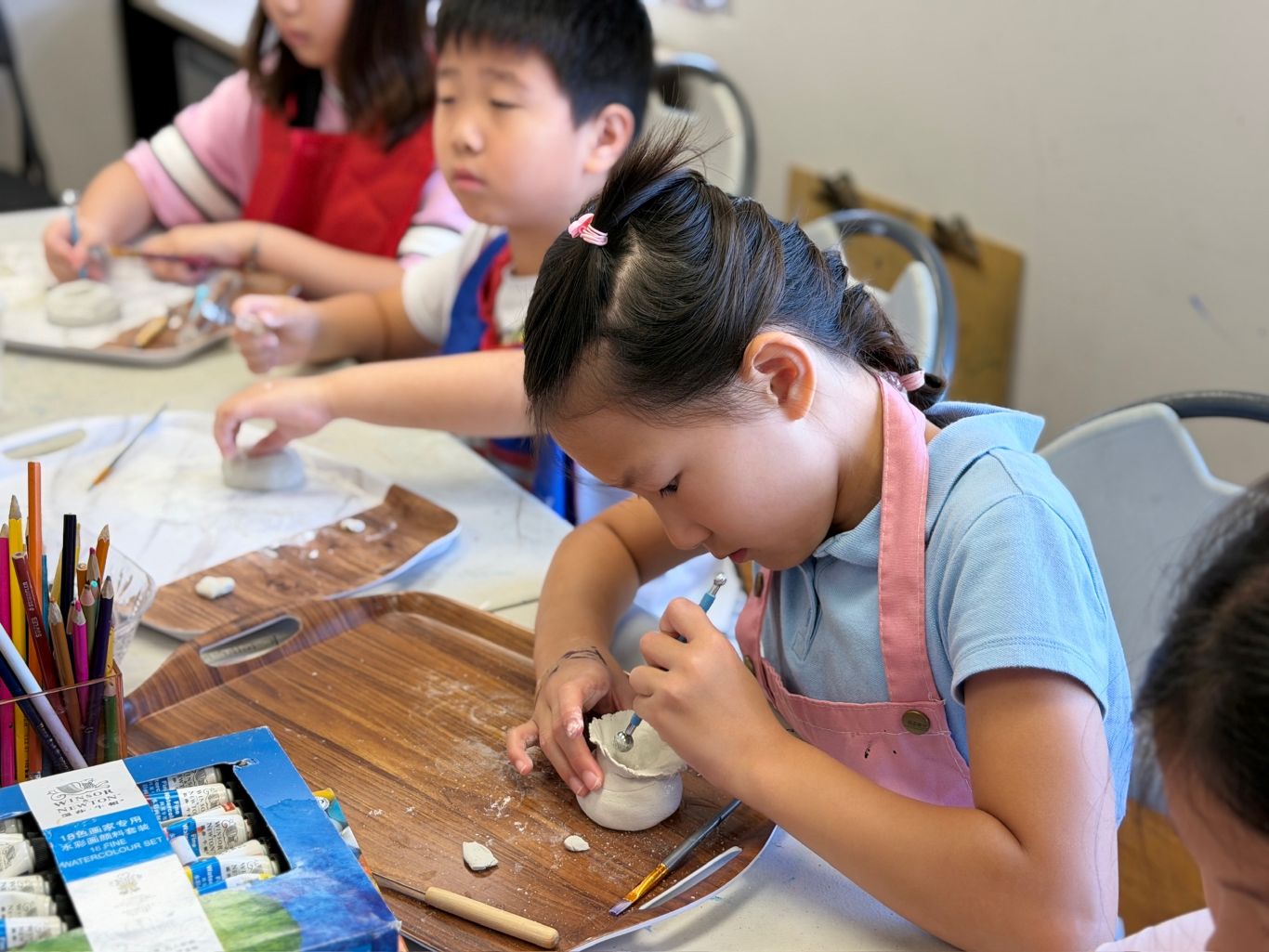
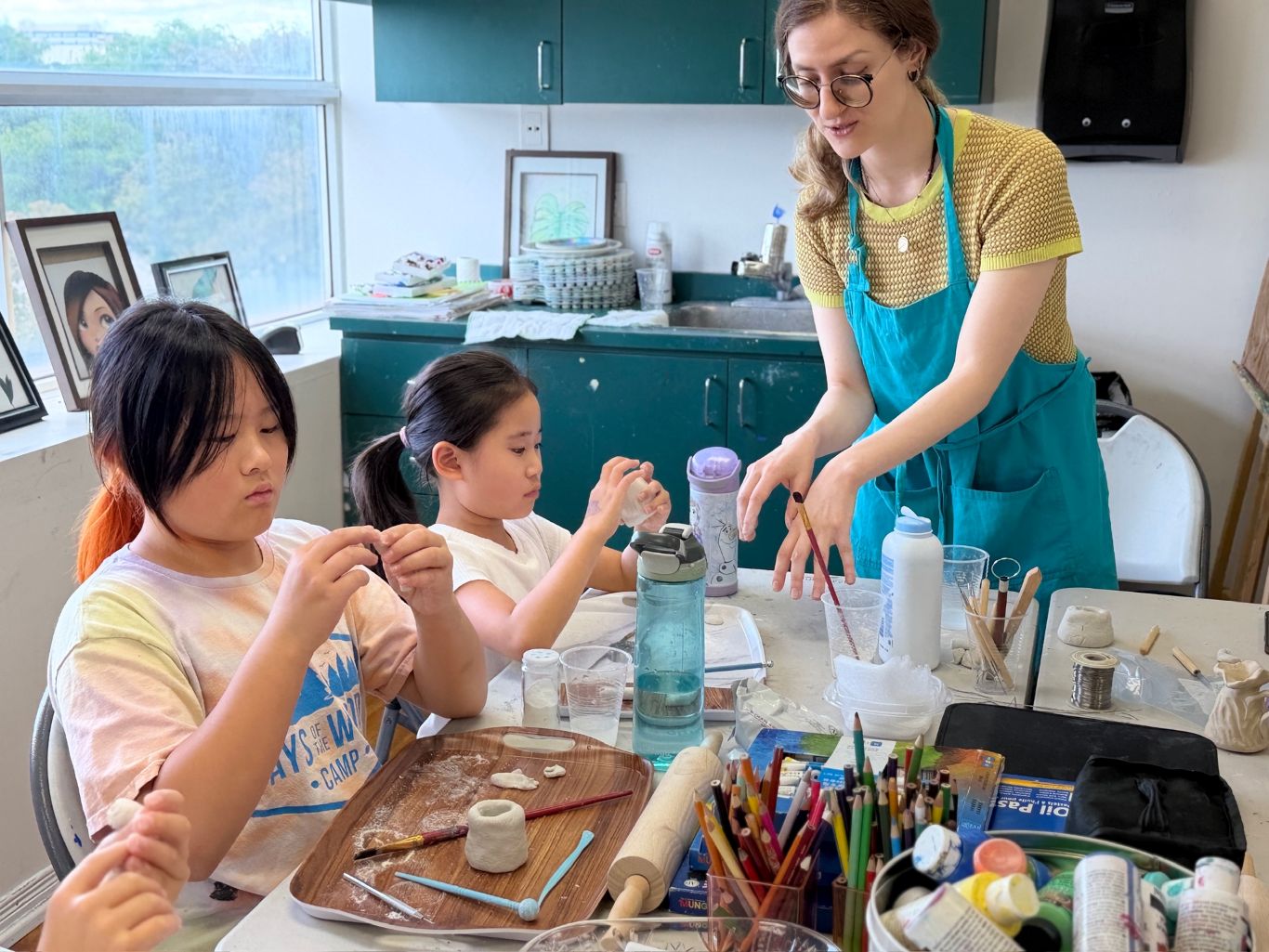
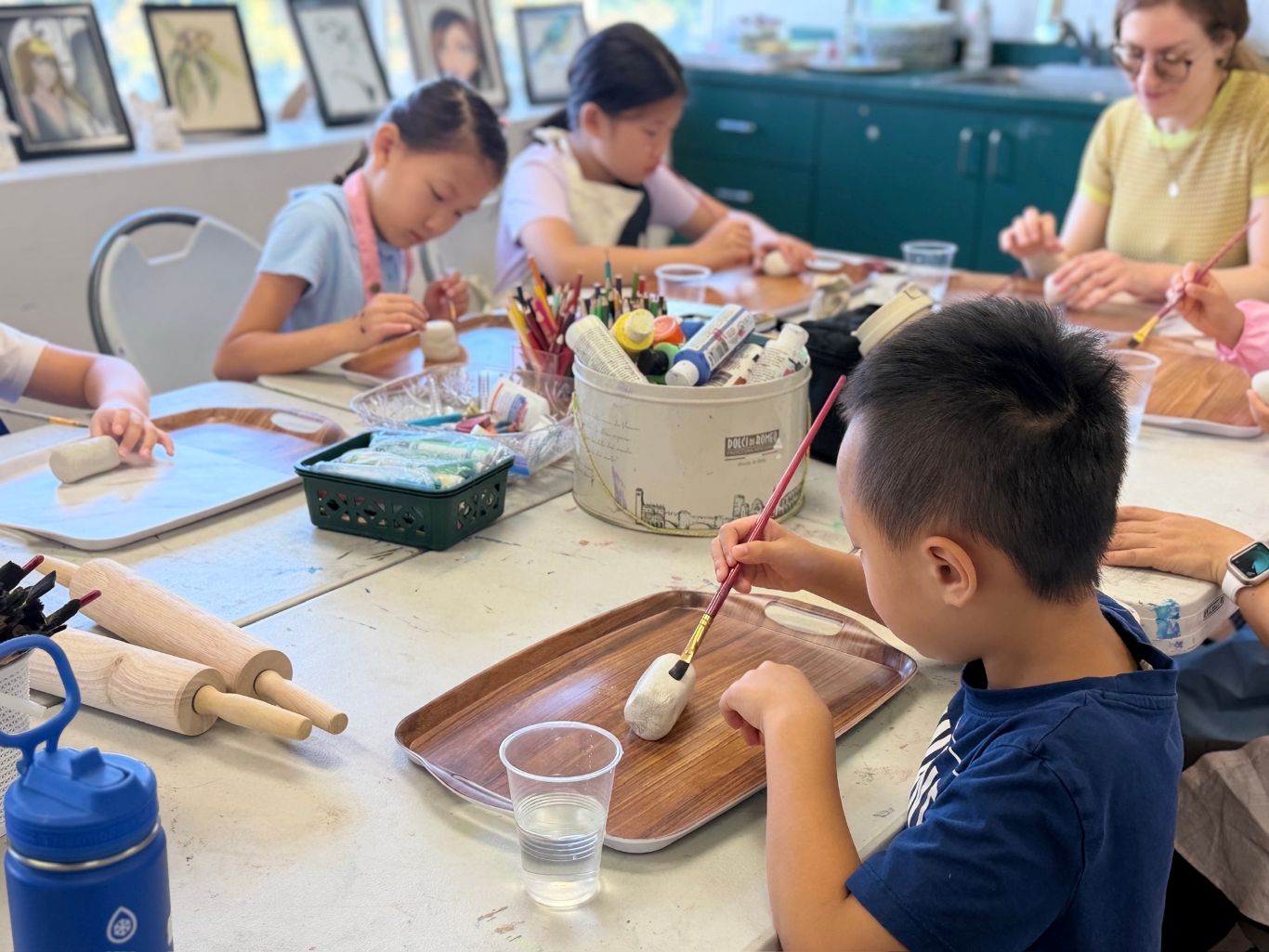
Approximately 1 to 2 Clay Art sessions are scheduled each month, allowing children to genuinely use their hands for shaping, carving, texture design, and 3D creation.
Special Monthly Addition: Ceramics Creation
Ceramics is an integral component of the Q-Learning Art Studio integrated art curriculum, not just a one-off craft activity.
Children will gradually learn foundational methods such as Hand Building, Slab Building, Coil Building, Sculpting, Texture & Relief, and Decorative Design. As the course progresses, they will create small vases, containers, animal sculptures, plant-themed artworks, relief pieces, and various creative 3D projects.
We place special emphasis on the ceramic-making process. Children must think about how an object evolves from a lump of clay, goes through conceptualization, shaping, adjusting, texturing, and detailing, to finally become a complete artwork. This process trains not only artistic skills but also patience, focus, spatial thinking, and problem-solving abilities.
What Makes Our Course Different?
We aim to avoid two extremes: over-emphasizing technique (which makes art feel like "completing a task") and completely unstructured free creation (where children don't learn actual artistic knowledge).
Q-Learning Art Studio adopts a Skills + Creativity teaching approach:
- The teacher teaches the methods; the child creates their own artwork.
Under the same theme, the teacher will instruct on the relevant drawing techniques, art knowledge, and material usage, but will not require all children to produce identical final pieces.
We encourage children to independently choose their colors, compositions, textures, details, and forms of expression, ensuring their artworks retain true personal character.
From "Knowing How to Draw" to "Knowing How to Create"
Over the course of the academic year, we hope to help children gradually build four essential capabilities:
- Observation — Learning to truly see shapes, colors, proportions, space, and details.
- Technique — Mastering the foundational methods of drawing, color theory, design, ceramics, and various materials.
- Creativity — Going beyond copying examples to generating original ideas.
- Expression — Being able to tell a story, express emotions, and showcase personal aesthetics through their artwork.
To us, a beautiful piece of art is certainly something to be happy about, but it is far more important that a child can slowly transition from:
"Teacher, what should I draw?"
...to growing into:
"Teacher, I have my own idea."
This is where the true value of art education lies.
A Year of Artistic Growth
The entire academic year interweaves foundational training + themed artworks + creative projects + ceramic projects, allowing children to ultimately build a portfolio of their own work.
Selected excellent pieces may also be used for in-studio exhibitions, giving children the opportunity to present their creative process and design concepts, thereby building confidence in artistic expression.
- Art is not only about making something beautiful — it is about learning to observe, imagine, design and create.
At Q-Learning Art Studio, our hope is that children do not merely complete painting after painting, but rather, through year after year of learning, gradually develop their own aesthetics, creativity, and artistic language.