LEGO Robotics & Coding
Course Introduction
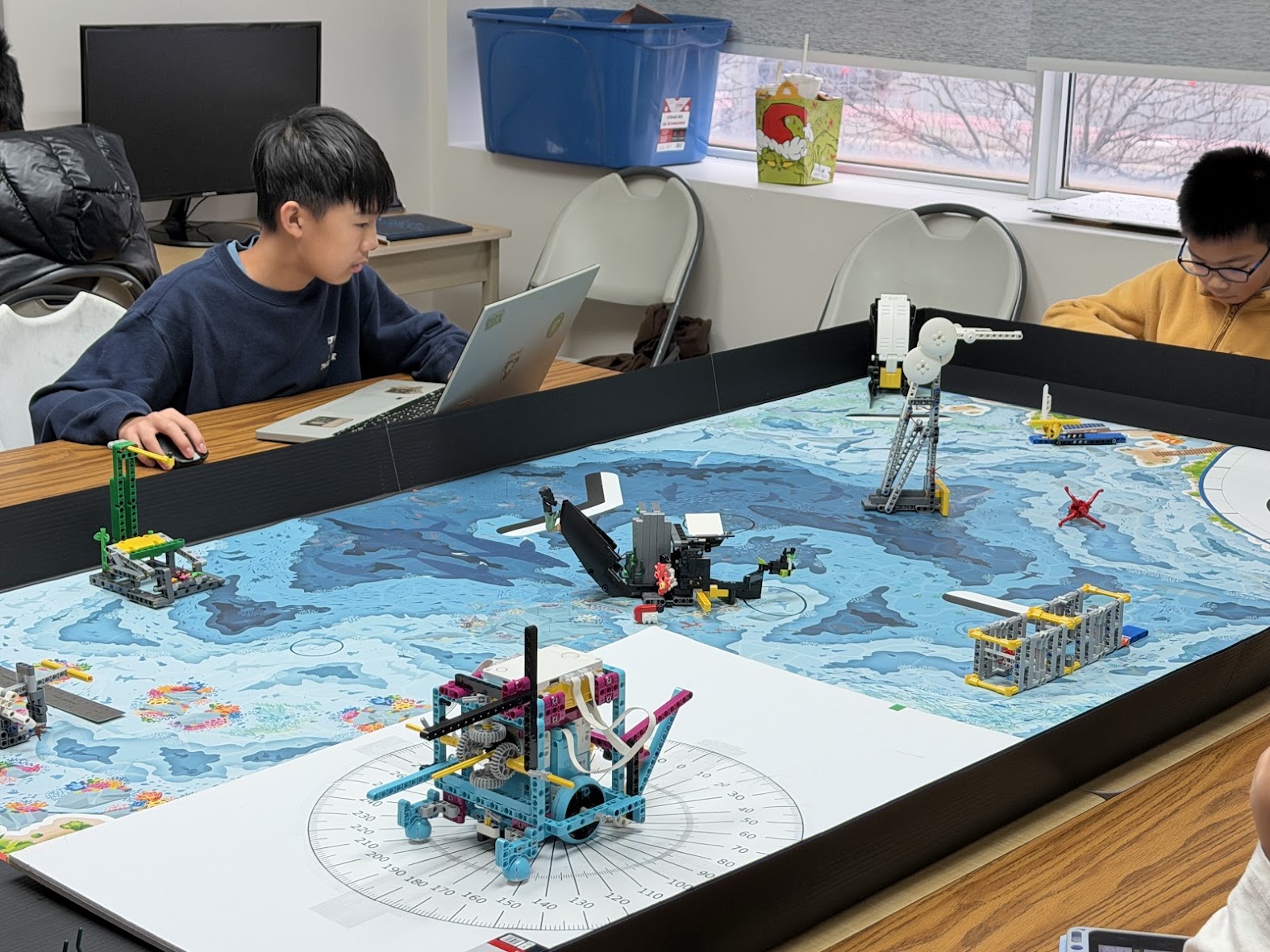
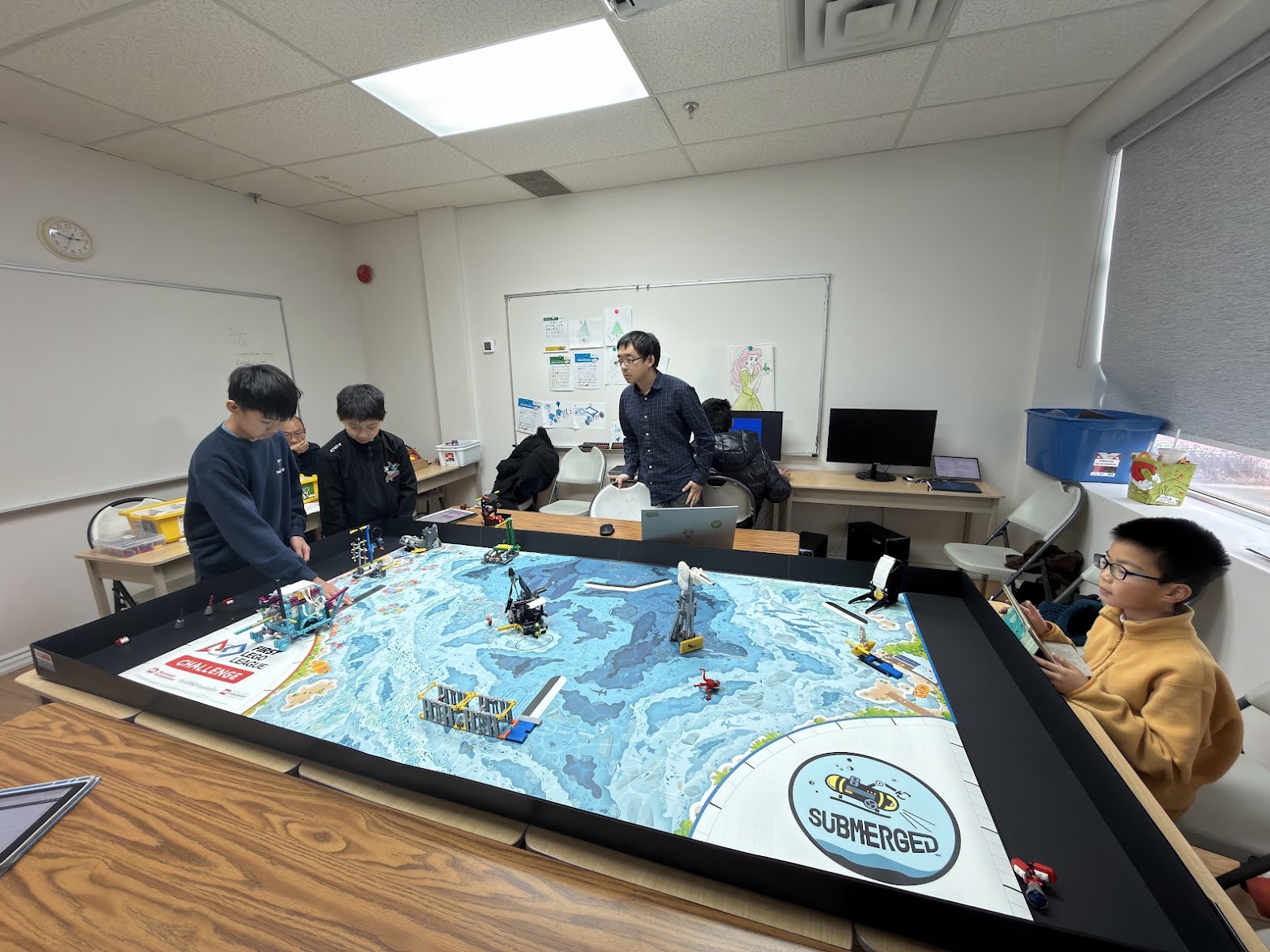
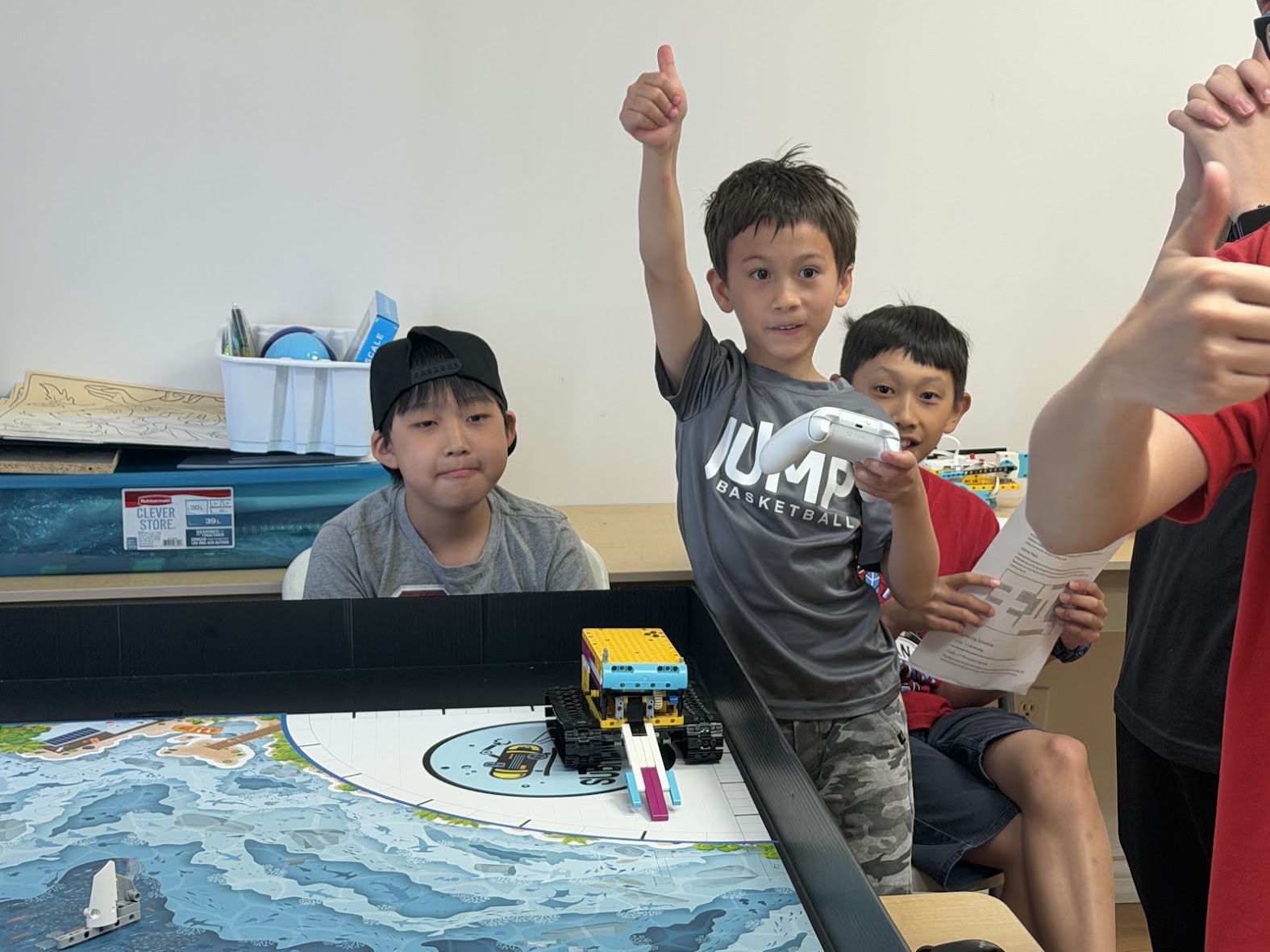
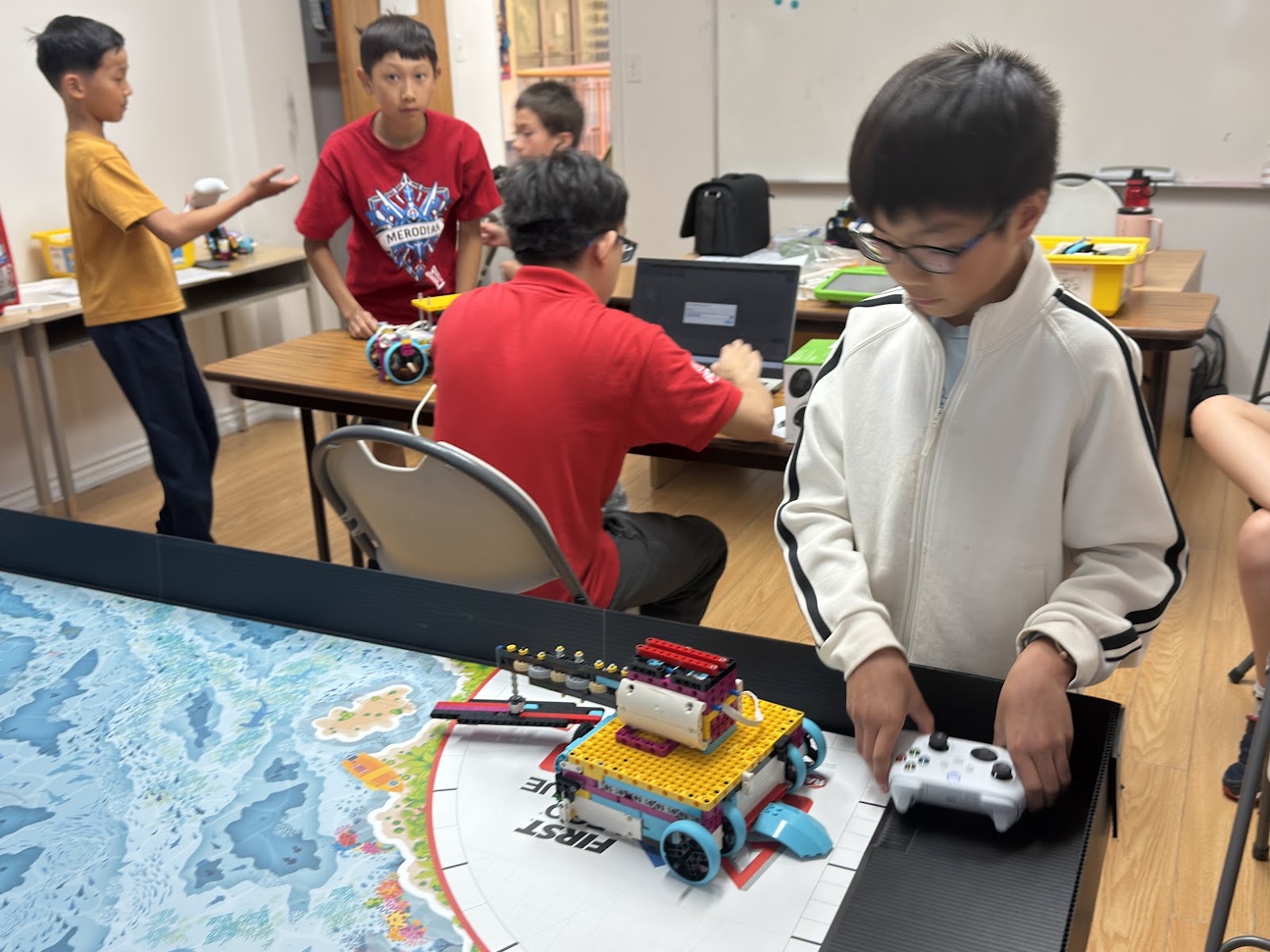
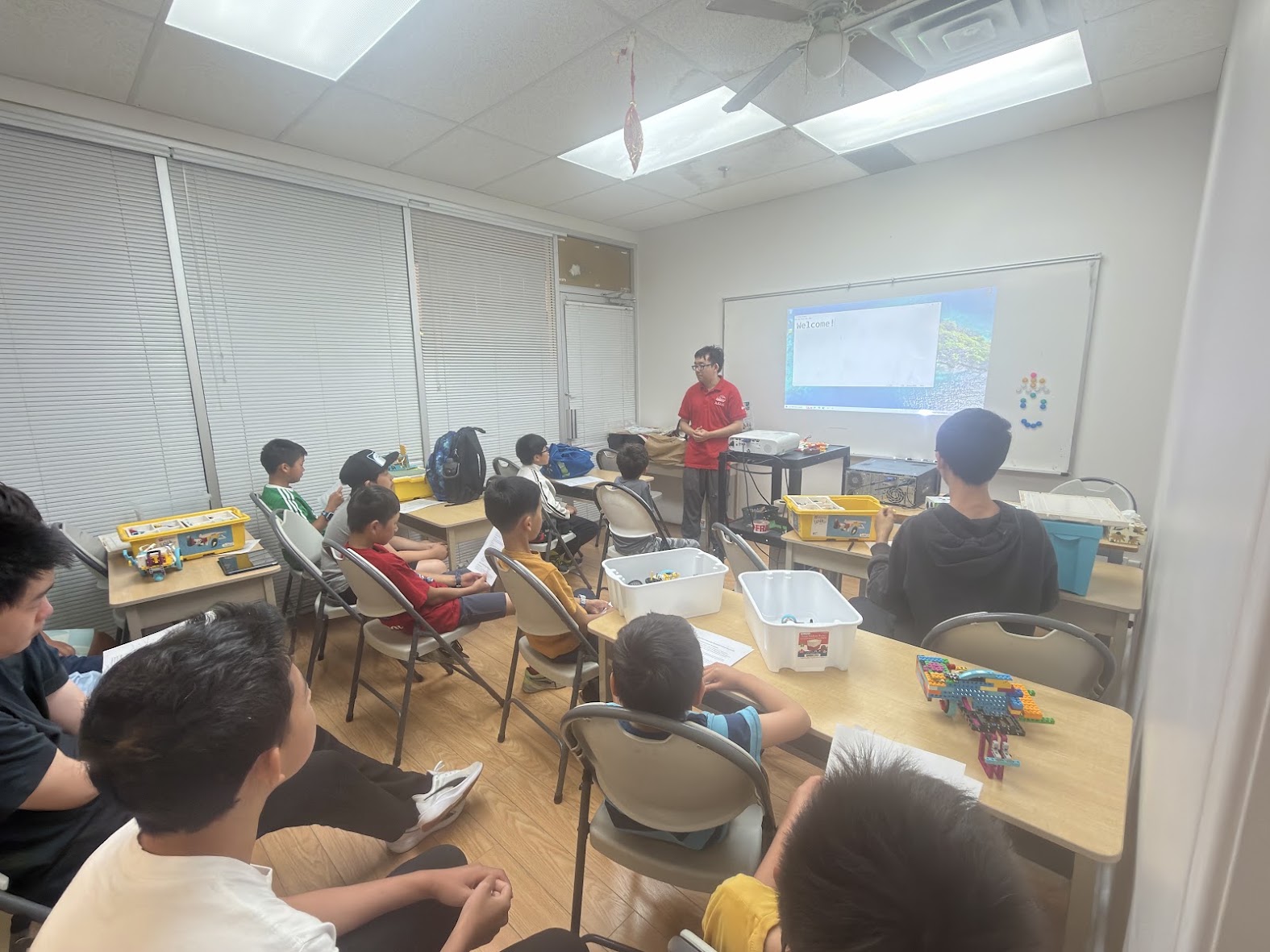
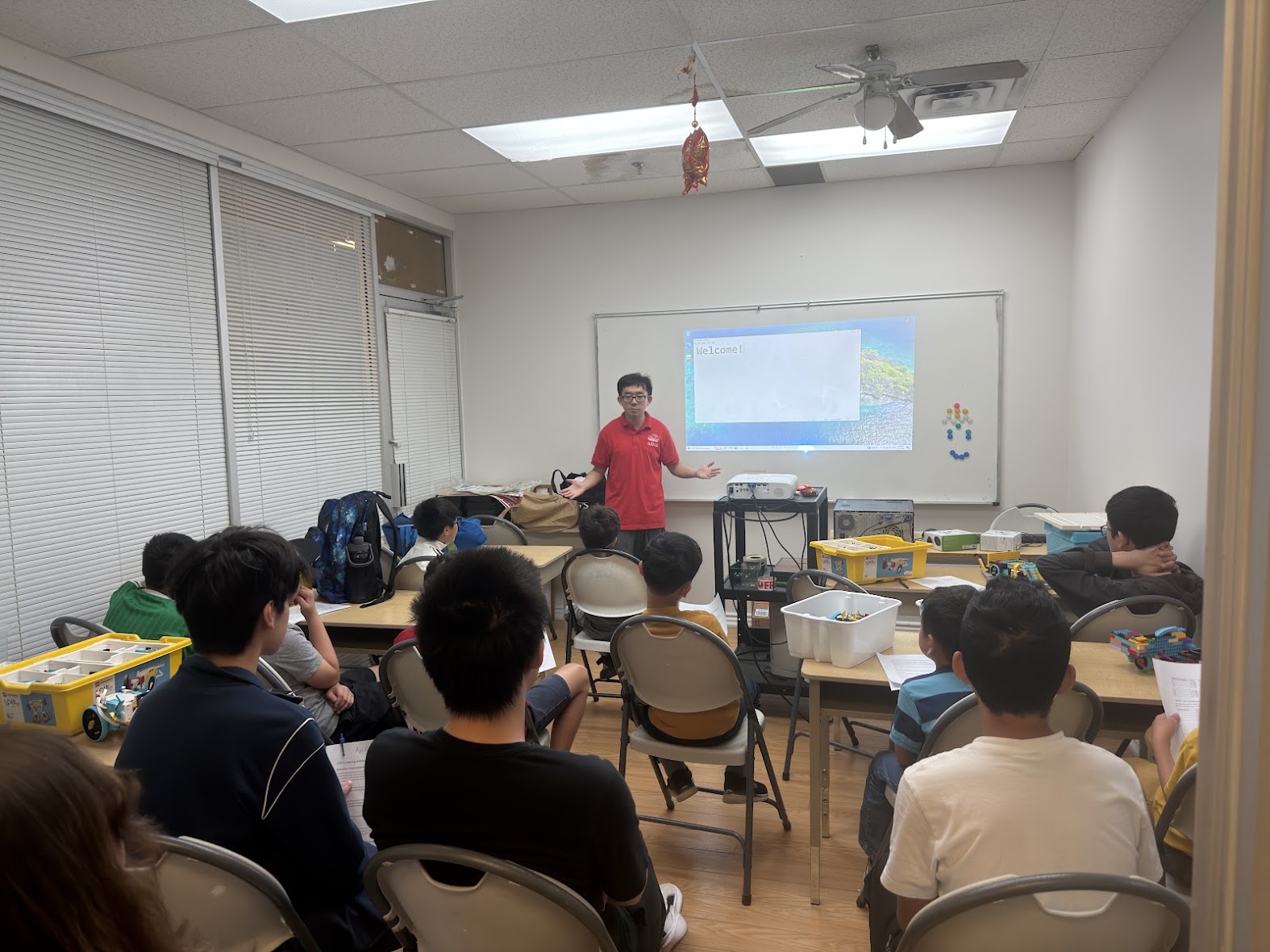
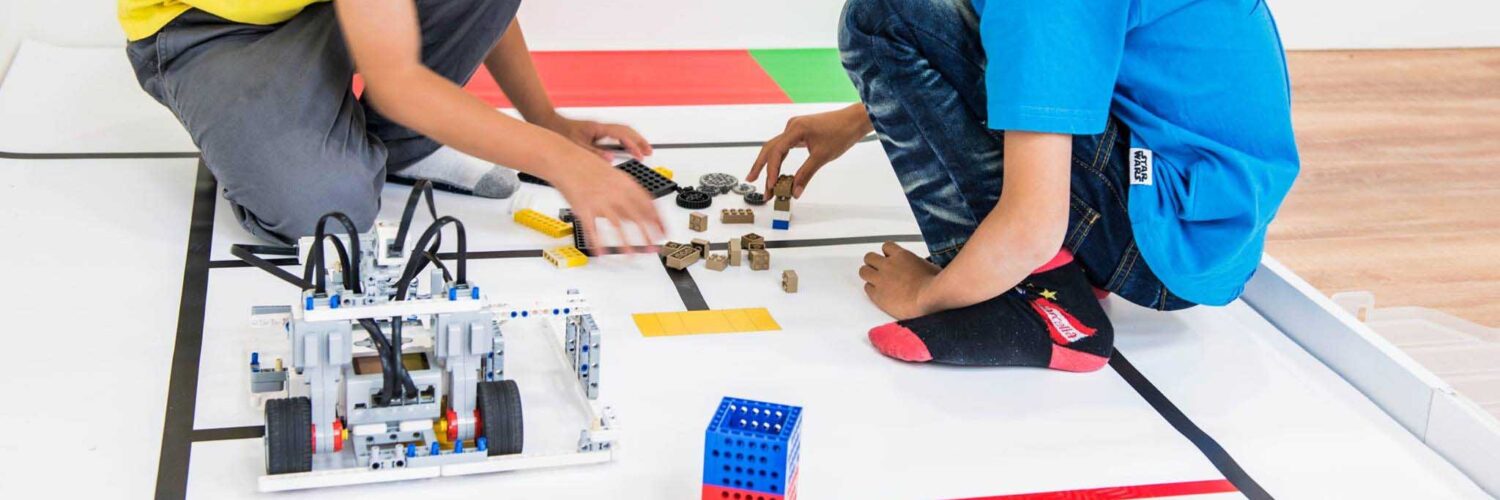
The Robotics Programming Course at Q-Learning Institute is a technology literacy program designed for students in Grades 1–12, based on North American STEAM education principles. Using LEGO® SPIKE kits and visual programming platforms such as Scratch, the course adopts a structured “Build + Code + Control + Showcase” approach, helping students systematically develop programming thinking, engineering design skills, project collaboration, and creative problem-solving abilities.
Suitable for Grades:G1–G12
Six-Level Progressive System | Project-Based Learning | Comprehensive Certification System
Instructors
- Mr. Qin
- Ms. Fang
- Mr. Hino
Six-Level Progressive System (Level 1–6)
Each student will be placed in a level according to their ability upon enrollment and will progress step by step to ensure steady growth. The course has clear objectives and a well-structured curriculum.
| Level | Key Skills | Recommended Grades | Typical Project Tasks |
|---|---|---|---|
| Level 1 | Part recognition, basic building, simple movement | G1–G2 | Small animal models, basic control tasks |
| Level 2 | Sensor usage, event triggering | G2–G3 | Light-controlled doors, obstacle-avoiding robots |
| Level 3 | Variables & loops, logical reasoning | G3–G4 | Automatic ball launcher, smart tracking car |
| Level 4 | Multi-module coordination, task decomposition | G4–G5 | Automated warehouse system, smart streetlights |
| Level 5 | Algorithm optimization, programming structure refactoring | G5–G6 | Smart waste sorter, traffic system simulation |
| Level 6 | Independent creative projects, competition preparation | G6–G12 | Programming challenge competitions, task-based mission demos |
Format
 Class Duration: 90 minutes per session, small class size (4–6 students)
 Equipment Used: LEGO® SPIKE Prime/Essential, programming tablets or laptops
 Teaching Approach: Project-Based Learning (PBL), with 1–2 real-world, problem-oriented projects completed per term
 Assessment & Feedback: Each term concludes with a project presentation and evaluation, providing stage-wise feedback

International Certification & Academic Pathway
Students completing each level will receive the “Robotics Literacy Certificate”issued by Q-learning Institute, which includes teacher comments and a stage-wise skills assessment.
Senior students (Level 5–6) can apply for the "Q-Learning Robotics Mastery Badge", a valuable credential for private school applications, competitions, and building a personal portfolio.
The curriculum aligns with international competition standards and can serve as preparation for:
FIRST LEGO League / WRO / Canada Technology Challenge
Toronto STEM Fair / Programming Project Exhibitions
North American K12 STEM Portfolio Development
Curriculum
| Lesson Number | Module Name | Unit Name | Key Skills Developed | Lesson Description |
|---|---|---|---|---|
| 1 | Robotics 101 | Build Like an Engineer | • Design • Mechanics • Organization | Introduction to robotics and Lego parts. |
| 2 | Robotics 101 | Code to Move | • Design • Coding | Introduction to coding by navigating a pre-built robot. |
| 3 | Robotics 101 | Sketch - Plan - Build | • Design • Mechanics • Communication • Organization | Introduction to design process by a series of design and communication game. |
| 4 | Amusement Physics | Motor 101 | • Mechanics • Physics | Learning motors and motor physics by testing your own model. |
| 5 | Amusement Physics | Round & Rapid: Rotation & Speed | • Design • Mechanics • Physics | Learning rotational motion and motion physics by testing your own model. |
| 6 | Amusement Physics | Spin to Sprint: Linear motion | • Design • Mechanics • Physics | Learning linear motion and motion physics by testing your own model. |
| 7 | Wild Tech | Light & Eyes | • Design • Coding • Physics • Biology | Introducing light and color sensor by studying glowing animals and eyes. |
| 8 | Wild Tech | Echo Hunters | • Design • Coding • Physics • Biology • Research | Introducing distance sensor by studying animals that use echolocation. |
| 9 | Wild Tech | Walk vs. Roll | • Design • Mechanics • Physics • Biology | Compare walking vs rolling and design your own walking robot. |
| 10 | Wild Tech | Rescue Mission: Turtle Habitat | • Design • Mechanics • Sustainability • Biology • Research | Introduction to research and innovation by tackling a real-world sustainability challenge. |
| 11 | Speed Lab | Drag Dash | • Design • Mechanics | Applying your knowledge and skills to create a drag racer. |
| 12 | Speed Lab | Gears: Speed vs. Power | • Design • Coding • Mechanics • Physics | Learning all about gears by making your own robot climber. |
| 13 | Speed Lab | There and back again | • Design • Coding • Mechanics | Code your robot for repeated tasks such as running laps in a race. |
| 14 | RoboSoccer | Auto-Kicker | • Design • Coding • Mechanics | Applying your knowledge and skills to create a penalty kicker robot. |
| 15 | RoboSoccer | Auto-Goalie | • Design • Coding • Mechanics | Applying your knowledge and skills to create a goalie robot. |
| 16 | Term Competition: Sumo | Sumo: Battle Prep | • Design • Coding • Mechanics • Communication • Research • Organization | Test all that you have learnt in the term class competition – sumo. |
| 17 | Term Competition: Sumo | Sumo: Arena Day | • Design • Coding • Mechanics • Communication • Research • Organization | Test all that you have learnt in the term class competition – sumo. |
| 18 | Civic Engineering | Standing Strong | • Design • Physics • Mechanics • Research | Learning all about structure and strength by building different bridges. |
| 19 | Civic Engineering | Fishway Gate | • Design • Coding • Mechanics • Research • Sustainability • Biology | Apply your knowledge and skills to design and build the fishway gate. |
| 20 | Civic Engineering | Moving Giant | • Design • Mechanics • Research | Further your knowledge and skills by creating a moving bridge. |
| 21 | Civic Engineering | Failure Hunters | • Design • Mechanics • Research • Organization | Learn about structure strength and failure by hunting failures on a variety of robots. |
| 22 | Civic Engineering | Off-Road Challenge | • Design • Coding • Mechanics • Physics | Learn a variety of advanced mechanics and physics by challenge your robot on rough terrain. |
| 23 | Machines that Matter | Up and Down | • Design • Coding • Mechanics • Physics | Introducing pulley and power transmission by creating an elevator. |
| 24 | Machines that Matter | Smart Gate | • Design • Coding • Mechanics | Polish your coding and mechanic skills by creating a smart gate. |
| 25 | Machines that Matter | Gripper Lab | • Design • Coding • Mechanics • Physics | Polish your coding and mechanic skills by creating a robotic arm. |
| 26 | Machines that Matter | Useful (Useless) Machine | • Design • Coding • Mechanics • Organization • Physics | Have fun with the most useless but fun Rube Goldberg Machine. |
| 27 | Robot Helper | Courier Bot | • Design • Coding • Mechanics • Organization | Polish your coding skills by creating a courier robot. |
| 28 | Robot Helper | Pick & Place Pro | • Design • Coding • Mechanics • Organization | Make your courier robot even more powerful, with pick up and drop off capabilities. |
| 29 | Robot Helper | Heavy Lifter | • Design • Coding • Mechanics | Use real world examples, design and create a heavy lifer robot. |
| 30 | Robot Helper | Beach Cleanup | • Design • Coding • Mechanics • Research • Sustainability | Research and innovate to solve real world environmental issues. |
| 31 | Mission: Mars | Mars: Mission Planning | • Design • Coding • Mechanics • Communication • Research • Organization | Test all that you have learnt in the year end competition – Mission Mars. |
| 32 | Mission: Mars | Mars: Assembly Operation | • Design • Coding • Mechanics • Communication • Research • Organization | Test all that you have learnt in the year end competition – Mission Mars. |
| 33 | Mission: Mars | Mars: Field Trials | • Design • Coding • Mechanics • Communication • Research • Organization | Test all that you have learnt in the year end competition – Mission Mars. |
| 34 | Mission: Mars | Mars: Launch Day | • Design • Coding • Mechanics • Communication • Research • Organization | Test all that you have learnt in the year end competition – Mission Mars. |